6 Things That Guarantee Carpet Stain Removal Failure
One of the most common carpet stain removal mistakes homeowners make when trying to deal with a mess is using a generic store-bought cleaner to tackle a difficult-to-clean substance. We see the consequences of this all the time. A perfect example was a coffee stain on a client’s carpet.
On the spot where the client had already tried cleaning – the largest stain – our technician worked tirelessly. Still, despite all efforts, the stain remained. Yet, there were some minor coffee splashes around it that the client had missed. When our technician used the proper cleaning solution and a professional-grade machine, these stains disappeared completely with just one pass.
Read also: 5 Carpet Issues That Can’t Be Fixed with Carpet Cleaning
We can share countless anecdotes similar to this one, and they all reveal an important lesson: what you do after a spill can determine whether that stain becomes a permanent feature or a distant memory. While the urge to act quickly is understandable, the wrong actions can do more harm than good.
Here are the six things that can guarantee carpet stain removal failure, turning a minor mishap into a significant problem.
Check also: Carpet Stain Removal – Even the Most Stubborn Stains Can be Removed
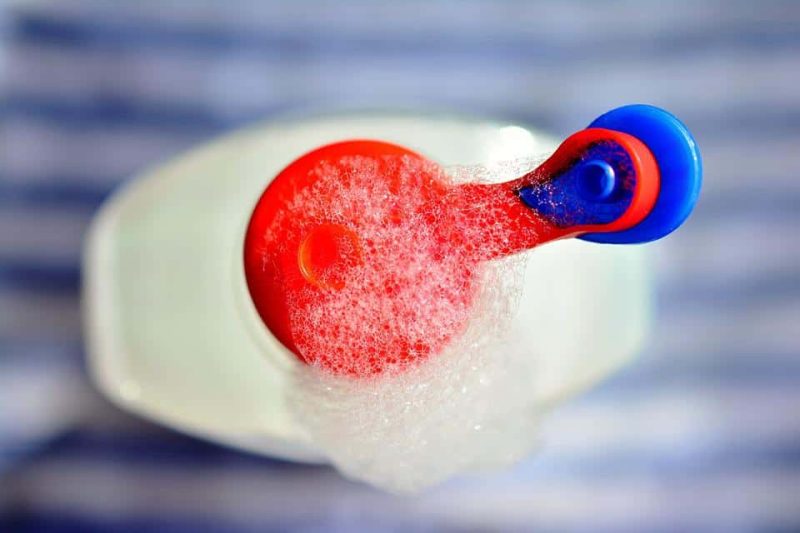
Supermarket carpet stain removal products are never the best option.
1. Using Generic Carpet Stain Removal Products
There are numerous bottles in your local supermarket alone that promise to be a miracle cure for any carpet stain. The reality, however, is that these products are a gamble. They are formulated to be a one-size-fits-all solution for a wide range of stains and fibres, which often means they are inappropriate for the specific issue you’re facing.
The chemical ingredients in these products aren’t inherently “evil.” The problem lies in using the wrong chemical for a particular type of stain. Think about a pizza dropped on the carpet. This isn’t just a simple grease stain. It contains tomato sauce, a highly colouring substance, and cheese, which contains milk proteins. Milk proteins are particularly difficult to remove because they can bond to and coagulate within the carpet fibres. If you use a generic cleaner, you will likely set the pizza stain ingredients permanently, making it a nightmare for even a professional to fix.
Professionals, on the other hand, carry a large arsenal of carpet cleaning products. At Cleaner Cleaner, we utilise over 20 different types of stain removers, each designed for a specific kind of stain or a combination of stains. We know which product to use for a greasy stain versus a protein stain, and most importantly, we know the specific order in which to apply them to achieve the best results.
Read also: How to Remove Grease Stains From Your Carpets?
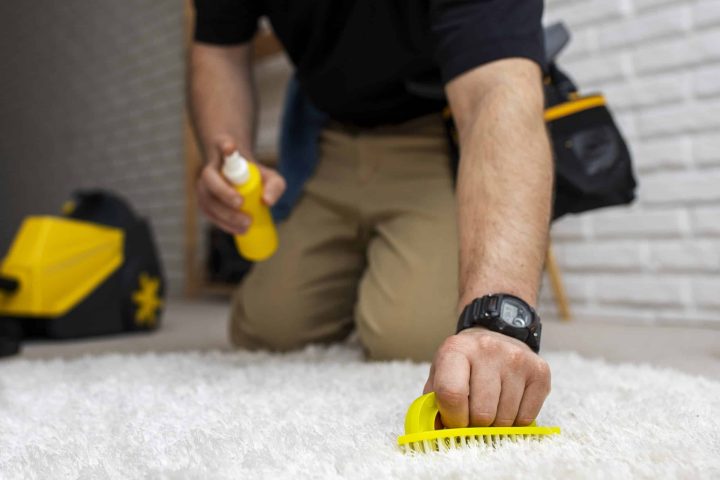
Scrubbing a carpet stain with a brush or a towel will only push the dirt deeper into the fibers.
2. Scrubbing a Stain with Force
When confronted with a spill, the first instinct is often to scrub vigorously. It feels like the right thing to do – to use elbow grease to push the dirt out. Unfortunately, this is one of the worst things you can do. Scrubbing pushes the dirt deeper into the carpet fibres. It causes the fibres themselves to fray or break, creating a fuzzy, damaged area that can never be fully repaired.
Instead, the correct technique is to blot the stain. Use a clean, dry paper towel or microfibre cloth and gently press down on the stain to absorb as much of the liquid as possible. Think of it as lifting the stain out of the carpet, not grinding it in.
Before you even start blotting, it’s crucial to remove any excess particles. If you’re dealing with something chunky, such as thick sauces, stews, chutney, or a pet accident, vacuum or gently scrape off all the solid pieces first. This prevents the particles from getting crushed and embedded into the carpet fibres. Removing excess dirt is especially important for stains that can dry and stick, like melted cheese or cosmetic products like lipstick and foundation. A quick vacuum or a gentle spoon scrape can make a huge difference before you even think about applying any liquid.
Check also: How to Remove Blood Stains from Carpet and Upholstery?

The only appropriate use for wet wipes in home cleaning is on hard, non-porous surfaces.
3. Using Wet Wipes or Baby Wipes for Carpet Stain Removal
Wet wipes are a common go-to for quick clean-ups. While they might seem like a convenient solution, they are not a guarantee against stubborn stains. Baby wipes often contain oils and other ingredients that leave a residue on your carpet, attracting more dirt and creating a bigger problem. They can also “seal” the stain, making it incredibly difficult to lift later on.
Antibacterial wipes often contain alcohol, which can be helpful for quickly wiping down hard, non-porous surfaces like tile floors. However, the alcohol can damage the carpet fibres, especially delicate materials like silk or wool, by causing shrinkage, discolouration, or fibre breakdown. Just as with generic cleaners, the wrong chemical reaction can cause more harm than good. Furthermore, because of their small size, people tend to scrub when using wet wipes, which, as we’ve established in the previous point, is a surefire way to damage your carpet.
Read also: How to Protect Your Carpets From Paint Stains
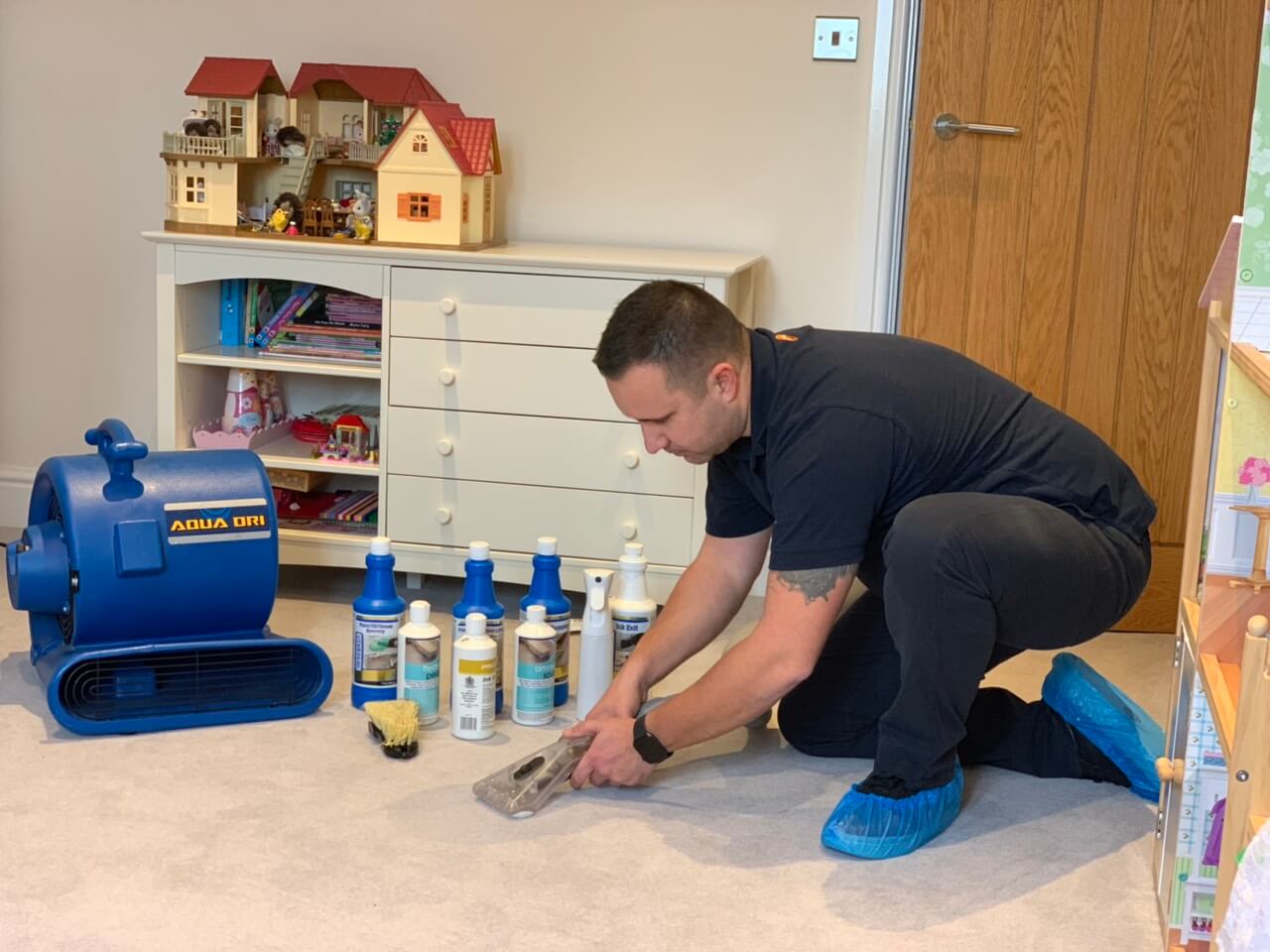
We use hot water extraction for deep cleaning, but only after applying the correct carpet stain removal treatments.
4. Applying Heat to the Stain
It’s tempting to use hot water or a steam cleaner to remove a tough stain, believing the heat will “melt” the problem away. However, this is a significant carpet stain removal mistake, especially for protein-based stains such as blood, milk, or certain types of food. Heat can permanently “cook” or coagulate the protein into the carpet fibres, essentially setting the stain and making it impossible to remove.
While heat and steam are incredibly powerful tools for professional cleaners, they are only used after we have applied the most appropriate carpet stain removal product and are confident that the heat will assist, not hinder, the cleaning process. We use specific doses of products in a particular order and tailor them to the type of fibre. Without this professional knowledge and equipment, applying heat is a gamble that rarely pays off.
Check also: How to Remove Milk From Your Carpet
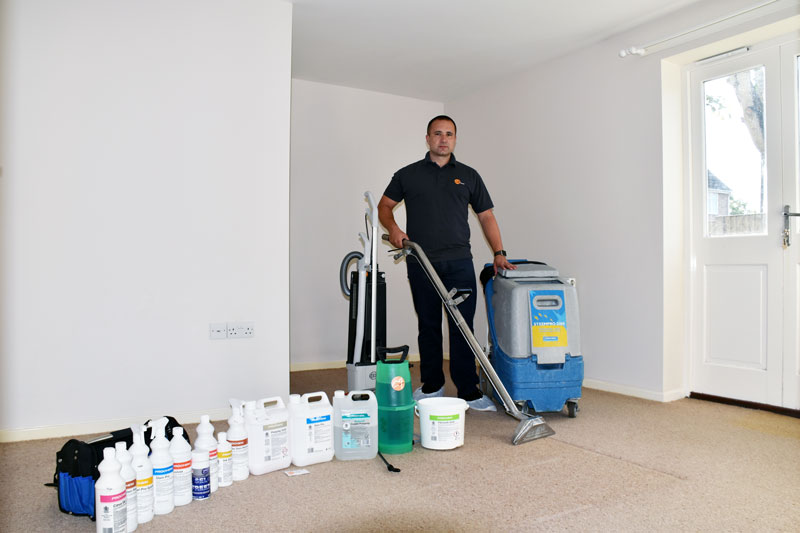
We use a wide range of carpet stain removal products designed to deal with various spills and messes on all types of fibres.
5. Mixing Various Cleaning Products
When the first attempt to remove a stain fails, panic sets in. The next logical (but disastrous) step is to start trying one product after another, sometimes even combining them with questionable DIY cleaning concoctions. While some individual DIY methods can be effective on their own, such as using baking soda to lift foul odours or vinegar for cleaning your fridge in an eco-friendly way, mixing them on your carpet can lead to a catastrophic and unpredictable chemical reaction.
Even if you don’t mix them, but simply try them one after another, you’re setting yourself up for failure. A key element of our professional carpet cleaning service is thorough rinsing. Every single particle of the stain and the cleaning product must be removed from the fibres. Most people believe they have rinsed enough, but residues from the previous cleaner are still lurking deep within the carpet pile. When you apply the next product, nobody can predict the outcome of the chemical cocktail you’ve just created. You could cause discolouration, damage the fibres, or permanently set the stain.
Read also: Stain Removal is a Mmatter of Chemistry
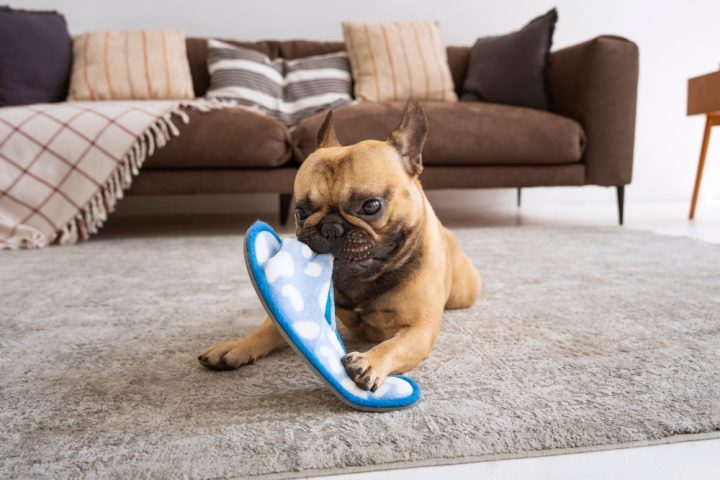
Accidents happen, especially if your pet is still in training. However, it’s crucial not to postpone getting rid of the urine stain on your rug. Image by Freepik
6. Waiting Too Long to Act
Time is the enemy of a stain. The longer a stain sits, the more it bonds with the carpet fibres, making the carpet stain removal extremely difficult. This is especially true for certain types of stains. Protein-based stains, for example, can coagulate over time, making them almost impossible to clean. When this happens, people often start to panic and usually make all the other mistakes on this list at once — scrubbing, using generic products, and mixing concoctions.
Check also: How to Remove Urine Stains From Your Carpet and Get Rid of the Smell
Other stains literally “age” and they don’t age well. Think of vomit or urine. Vomit is a complex mix of various foods and stomach acids. As it dries, the stain and accompanying odours can become incredibly difficult to remove. Urine undergoes chemical changes over time, creating a horrible, pungent smell that can sometimes be harder to eliminate than the visible stain itself. Acting quickly and calmly is paramount.

When dealing with a stain, your first job is to remove the excess dirt by either scraping or blotting.
What to Do to Prevent Carpet Stain Removal Failure
So, what should you do when a spill happens? The most important thing is to read the instructions on any product and always do a test patch in an inconspicuous area of your carpet first. However, if it’s a valuable carpet or a stubborn stain, it’s best to avoid using anything before calling a professional. You won’t be sorry. We are trained and equipped to help you save your carpet and prolong its life. We know how to identify the type of stain and the fibre, and we have the right tools and products to do the job safely and effectively.

While waiting for your cleaner, cover the stain and restrict access for young children and pets to avoid spreading the dirt.
What to Do Before Carpet Stain Removal Service
For a fresh, nasty stain, a simple tip is to cover it with a wet wipe, but do not press it over the spot. Just lay the wipe over the affected area to prevent the smell from spreading until we arrive. This simple, non-invasive step can buy you valuable time and prevent a minor spill from becoming a permanent mark.
Read also: 9 Things to Know About Stain Protection for Carpets and Upholstery
Don’t let a spill become a part of your interior. Trust the carpet stain removal experts at Cleaner Cleaner to restore your floorings to their former glory.