Why Carpet Stains Come Back After Cleaning
Have you ever had your carpet cleaned only to see the stains resurface a few days later? Well, you’re not alone – it’s a common problem, but in most cases, there’s a clear explanation for it. Knowing what causes stains to reappear will help you prevent the problem in future. Today, we are sharing with you the 7 most common reasons carpet stains come back after cleaning.
Read also: 6 Things That Mess Up Carpet Stain Removal

Professional stain removal combined with deep carpet cleaning is the best way to prevent stains cause by wicking.
Carpet Wicking
Sometimes, when you spill a large amount of food or beverage on the carpet, it soaks through to the backing or underlay. And even if you blot up the spill and use stain remover to treat the carpet, some of the dirt remains deep within the fibres. As the carpet dries, moisture rises through the fibres, carrying dirt as it evaporates. This issue is called carpet wicking and usually occurs when there was a heavy or deep spill, the carpet is high?pile, or too much water was used during cleaning.
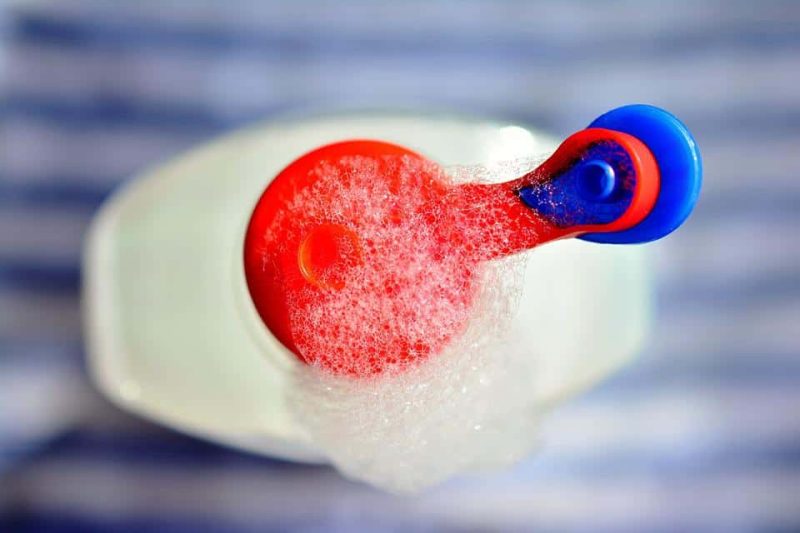
Many off-the-shelf cleaning products have a high concentration of surfactants and leave residue that is difficult to remove from the carpet.
Leftover Cleaning Product Residue
If a carpet isn’t rinsed properly after cleaning, there is a good chance some cleaning product will remain in the fibres. Cleaning products containing surfactants and conditioners leave a sticky residue. You may not notice it right away, but over time, the poorly rinsed spots will start attracting dirt faster than the rest of the carpet. As a result, these areas start to look stained. Some people use extra water to ensure a good rinse, but overwetting prolongs drying time and lets residue sink deeper into the fibres.

A lot of people associate oils with food, but sometimes the greasy stain is caused by cosmetic products like hand creams, body oils and lotions, and even some hair products
Persistent Oily Stains
Cooking oils, cosmetics, and fatty foods are more difficult to remove from carpets, because they form strong bonds with the fibres. Without the right product, cleaning may temporarily break down these stains, but won’t remove them completely. If they aren’t fully extracted, they will reenter the fibres as the carpet dries, leaving a darker patch. Synthetic and blended carpets containing polypropylene or polyester hold oil more tightly, making thorough stain removal and rinsing more difficult.
Check also: How to Care for Your Synthetic Rug

Hot water extraction is the best deep cleaning method for fast drying, as it leaves the carpet slightly damp rather than soaking wet.
Slow or Improper Drying
Drying is just as important as cleaning if you want to prevent the stains from reappearing. Improper drying increases the risk of wicking. Fibres like cotton, viscose, and jute are prone to cellulosic browning when the carpet remains wet for too long. Slow drying also gives any dirt or product residues more time to resurface. To prevent these issues, make sure the room is well-ventilated and warm enough so the carpet can dry quickly. If the weather allows it, opening your windows is enough, otherwise, you might need to use fans or turn on the air conditioner for a few hours.
Read also: Pros and Cons of Viscose Rugs
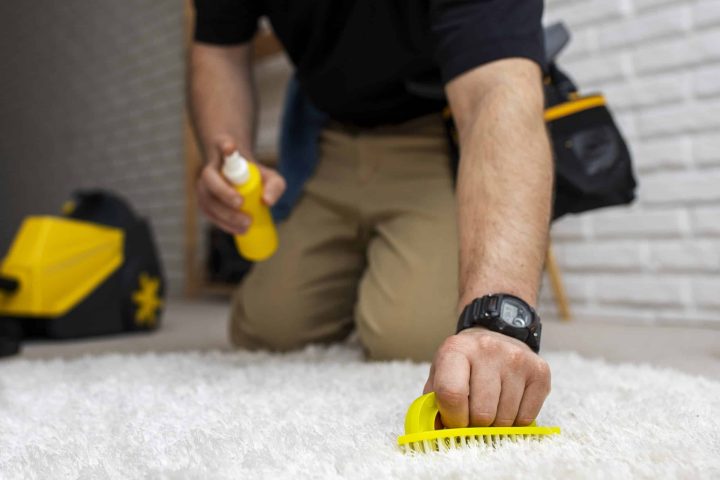
Scrubbing a stain is a sure way to push all the dirt down the carpet pile, which can make the stain resurface after deep cleaning.
Stains That Were Never Fully Removed
People usually make multiple attempts to remove a stain before calling a professional carpet cleaner. This often causes permanent stains or stains that seem to disappear, only to return later. When most people try to remove a stain, they scrub it, pushing the spill deeper into the fibres rather than lifting it. Others manage to remove the surface stain but fail to extract all the dirt underneath. Common mistakes also include using the wrong cleaning product, using water that’s too hot, or applying direct heat when drying, all of which can set the stain permanently. So, when the carpet is eventually cleaned by a professional, the residue and stubborn stains seem to resurface out of nowhere.

When the colour is stripped from the fibres, no amount of cleaning can restore it.
Permanent Damage
If a stain reappears after the carpet is cleaned and dried, it could be permanent damage. Acidic stains such as pet urine, vomit, cosmetic products, and dyes can permanently discolour the carpet. Bleach and harsh cleaners can strip the fibres of colour or damage their texture. If a spot appears lighter than the rest of the carpet, it’s likely permanent damage, and you can’t remove it.
Read also: 5 Carpet Issues That Can’t Be Fixed with Cleaning
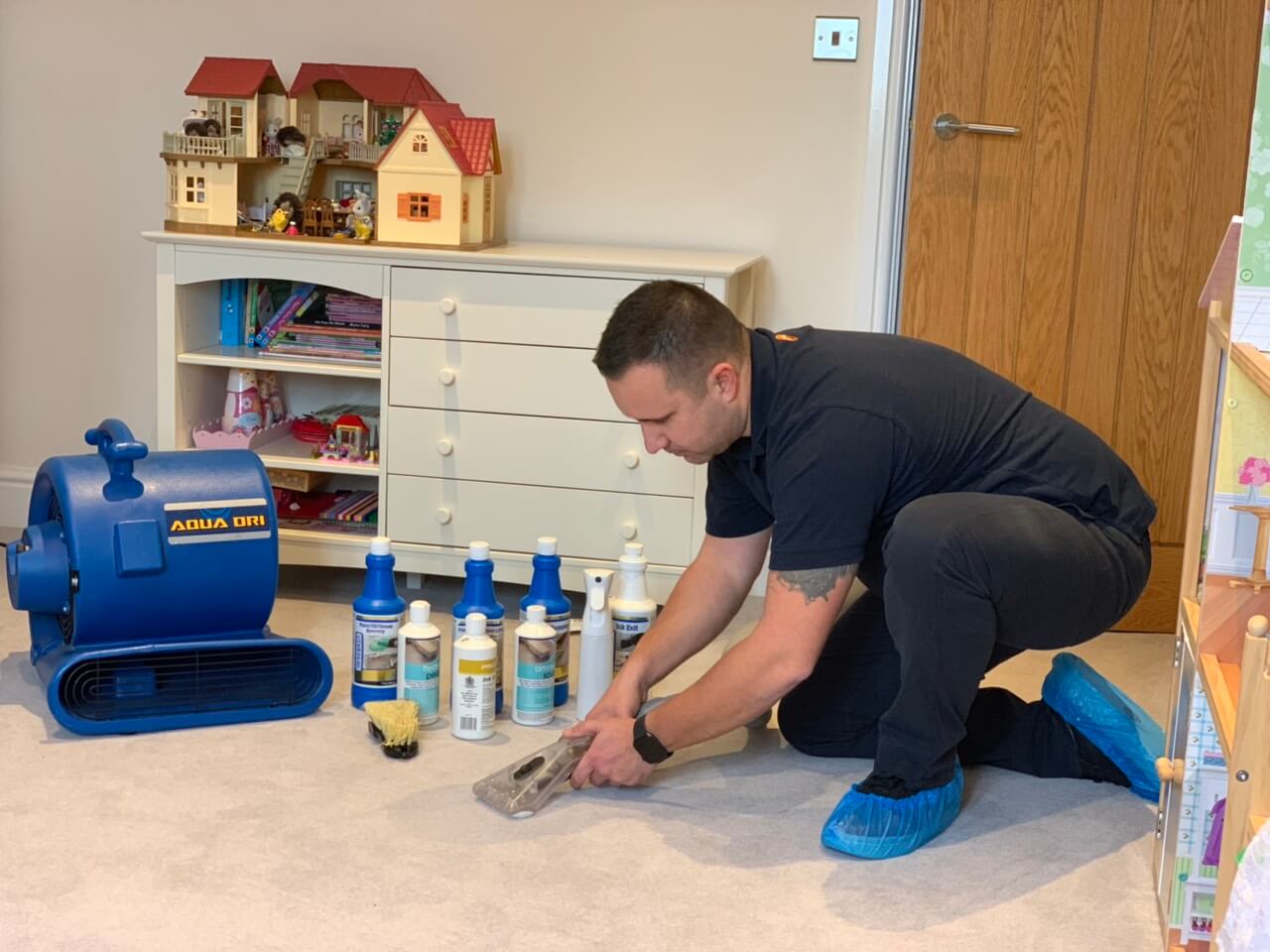
As part of our deep carpet cleaning service, we offer carpet neutralising to prevent fast resoiling and recurring stains.
pH Imbalance
Professional carpet cleaners know that a spotless carpet requires more than just extracting the soil and stains. Successful stain removal and preventing recurring stains is a matter of chemistry. If the carpet isn’t properly neutralised after cleaning, residues can continue reacting over time. Missing this procedure can lead to dull patches or slight discolouration appearing later. Reputable companies offer neutralising as the final step of the service to prevent resoiling and restaining. It’s a small step that makes a noticeable difference.
Check also: 9 Things You Need to Know About Stain Protection
How to Prevent Carpet Stains from Coming Back
Stopping stains from reappearing isn’t about adjusting one step of the cleaning routine – it’s about doing the whole process properly. That means:
- Using the right treatment for the specific stain
- Fully removing residues, not just the visible mark
- Avoiding over-wetting
- Ensuring proper drying
- Addressing anything beneath the surface
When a stain returns after cleaning, it’s usually a sign that the issue hasn’t been fully resolved. Long-lasting carpet cleaning results come from understanding the fibres, the materials, and how stains behave. If you need help getting your carpet spotless, don’t hesitate to contact us and book our specialised stain removal service.