Can Fleas Live in Carpets During Winter?
Fleas in carpets might sound like a science fiction and many people believe the first frost ends flea season. Unfortunately, this misconception often leads to surprise winter infestations hidden right beneath your feet. Recently, one of our clients in London discovered fleas on his pets in the middle of December. He treated the animals immediately, so he was puzzled to find the problem persisted a month later. He soon realised what many miss: carpets provide the perfect thermal insulation for flea eggs and larvae to survive the winter and multiply.
There is no need to panic, even if you do find fleas in your home. While treating your pets is the essential first step, thoroughly cleaning your carpets and furniture is vital to break the life cycle for good. Our professional London carpet cleaners have put together these effective tactics to help you get rid of fleas and maintain a healthy, pest-free home.
Read also: Summer Pest Control: Deep Cleaning for a Healthier Home
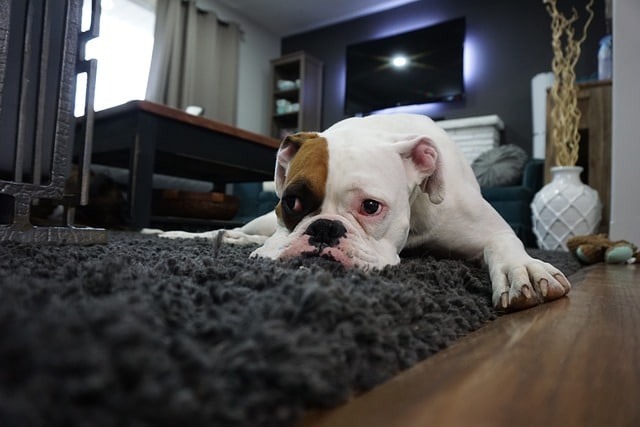
Carpets provide the deal breeding ground for various pests, including moths, bed bugs, fleas.
Why Fleas Hide in Carpets and Soft Furnishings
The cold weather has little impact on fleas once they are inside. While the UK flea season is traditionally associated with warmer months, central heating allows populations to remain active year-round. Well-insulated London flats and heated houses provide the exact high-humidity, warm conditions these pests need to thrive in the middle of winter.
Carpets and soft furnishings are safe hiding spots away from light and movement. As pets spend more time indoors during winter, resting on rugs or sofas, they provide a constant food source in concentrated areas. Carpet fibres act as a protective “forest” for flea eggs and larvae, making them difficult to reach with standard surface cleaning. Remember: the adult fleas you see on your pet are just the tip of the iceberg. Flea larvae instinctively move away from light, so they crawl deep into dark, undisturbed gaps.
They usually hide in:
- Sofas and armchairs, especially in the deep crevices between cushions.
- Thick rugs and carpets, particularly in the areas tucked under furniture.
- Pet bedding and heavy throws where warmth is most concentrated.
Surface cleaning alone is often not enough to solve the problem. If you stop your cleaning routine or skip pet treatments during the winter, fleas have a chance to settle in.
Check also: How to Keep Your Carpets Clean This Winter
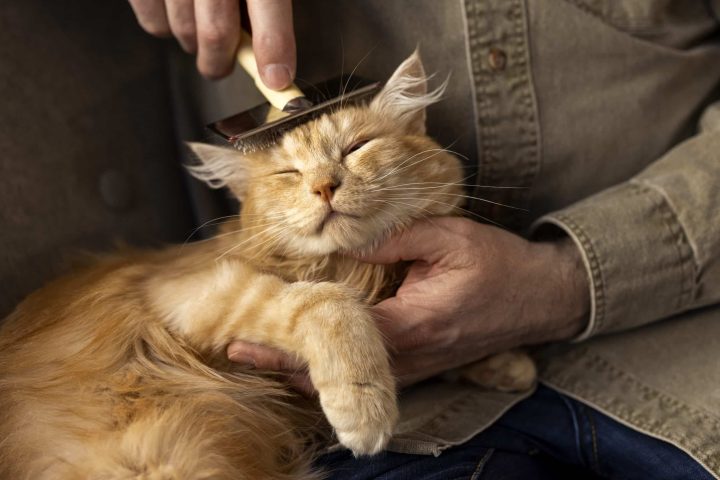
Brushing your pet will help remove adult fleas, and it’s also a wonderful bonding experience. Image by freepik
What to Do If You Find Fleas at Home
If you spot a flea, the most important thing is to stay calm. You don’t have to do everything at once, but acting steadily will help you regain control. To get rid of fleas for good, you must target every stage of their life cycle. While adult fleas stay on your pet to feed, they lay eggs that quickly fall off onto blankets, furniture, and pet beds. These hatch into larvae that hide in dark, humid areas before turning into pupae. These pupae are incredibly hardy and can stay dormant for months, waiting for warmth or vibration to hatch.
Step 1: Treat Your Pets First
Your pet is the fleas’ main food source, so your priority is taking care of furry family members. Use vet-approved flea treatments for all pets in the household, as they are much more effective than over-the-counter options. It is also vital to keep up with follow-up treatments; if you stop too early, the dormant pupae in your carpet will re-infest your pet when they hatch. Besides flea treatments, brushing your pet with a flea comb also helps remove eggs and adults and minimises pet hair on furniture and carpets.
Step 2: Vacuum Thoroughly and Frequently
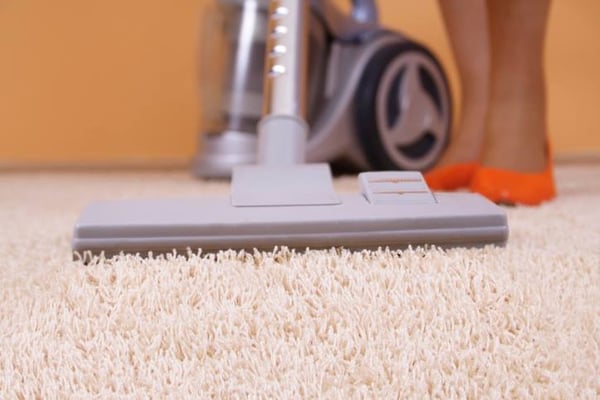
Vacuuming is your best tool for physical removal of fleas in carpets and upholstery. You should vacuum daily, focusing on carpets, rugs, skirting boards, and the seams of your sofas. The vibration of the vacuum actually encourages dormant pupae to hatch and emerge from their sticky cocoons, making them easier to remove. To ensure they don’t crawl back out, always empty the vacuum canister or bag into an outside bin immediately after you finish.
Step 3: Wash What You Can
Heat is a natural enemy of fleas. Gather your pet’s bedding, cushion covers, and any washable throws. Laundering these items at 60°C is highly effective, as immediate death occurs at 50°C. Following this with a tumble-dryer session provides a “double hit” of heat that destroys eggs and larvae that water alone might miss.
Once you have taken these immediate steps, the next stage is to tackle the deep-seated eggs and larvae that domestic tools can’t reach.

We use advanced equipment to sanitise your upholstery. Our specialised nozzles and attachments reach deep into the folds and crevices where fleas and eggs are often hidden.
Deep Cleaning Can Help Disrupt the Flea Life Cycle
While daily vacuuming and high-heat washing of fabric covers and pet beds are an excellent first step to getting rid of fleas, they often struggle to reach the very base of the carpet pile. Flea pupae are enclosed in sticky, heavy cocoons, allowing them to cling to the bottom of carpet fibres where standard suction can’t always pull them out. This is where professional deep cleaning becomes an essential part of pest control.
Professional steam cleaning is one of the most effective methods for eliminating fleas because it combines high-pressure extraction with intense heat. Fleas in all stages of life die instantly at temperatures above 50°C. So, when the steam reaches deep into the backing of your carpets and the internal padding of your sofas, it neutralises the pests before they have a chance to hatch and start the cycle all over again.
It is important to remember that professional cleaning is a support system for your vet-approved flea treatments, not a replacement for them. By deep cleaning your upholstery and carpets, you are physically removing the organic debris that flea larvae feed on. This significantly reduces the risk of reinfestation weeks later and ensures your family and pets live in a truly sanitised environment.
Read also: Which is the Best Deep Carpet Cleaning Method

Deep clean carpets and furniture to keep pests away. Cleaning your pet’s bed regularly also minimises the risk of infestations.
Image by wirestock on Freepik
Measures That Prevent Fleas from Returning
Preventing fleas from coming back is about maintenance, not vigilance. Once your home is clear, the goal is to keep it inhospitable for pests. The most effective method is to maintain your pet’s flea protection year-round, even in winter. Since centrally heated homes stay warm enough for fleas to survive in winter, there is never really a “safe” time to stop treatments.
Regularly cleaning your carpets and soft furnishings will also help you spot any early signs of trouble. For homes with multiple pets, scheduling a professional deep clean twice a year (typically in spring and autumn) is a great way to ensure pests are removed before they multiply.

Pets will be pets – don’t let the muddy paws worry you. A few simple daily routines can help you maintain a clean home with ease.
Healthy Pets, Clean Homes: Maintaining Hygiene Beyond Flea Prevention
It is perfectly normal for pets to bring a little bit of the outside world back with them. Beyond the occasional flea, paws can track in mud, pollen, and dirt from London’s streets. These particles settle deep into carpet fibres and upholstery where we sit and where children play.
Here are a few simple habits that can make a huge difference in your home’s hygiene:
- Wipe paws after walks: This quickly reduces the bacteria and dirt that can enter your home.
- Use washable throws: Protecting your sofas with covers makes it easy to refresh your seating area weekly.
- Vacuum regularly: Focus on the spots where your pet loves to nap to catch hair and dander before they settle.
- Schedule periodic deep cleans: While a vacuum clears the surface, professional deep upholstery cleaning and carpet cleaning removes the hidden allergens and dirt trapped deep in the fibres.
Maintaining these small routines ensures your home remains a truly hygienic environment for every member of the family, both human and animal.
Check also: How to Remove Urine Stains and Urine Smell from Carpets
A Calm Reminder: You’ve Got This – and We’ve Got You!
Finding fleas in the winter is a nuisance, but it is manageable. At Cleaner Cleaner, we are here to help you maintain the hygienic environment your family and pets deserve. Whether you are dealing with a flea infestation or want to refresh your home for the season, our professional carpet cleaning service can help you sanitise your rugs and upholstery.